
Electric scooters have surged in popularity as a convenient and eco-friendly mode of transport. However, as more people adopt this technology, understanding the cost of charging an electric scooter is essential. This article aims to break down the variables involved and offer insights that can help both current and prospective owners.
Understanding Electric Scooter Battery Capacity
One of the key factors that influence the cost of charging an electric scooter is its battery capacity, typically measured in watt-hours (Wh) or amp-hours (Ah). Understanding battery capacity helps determine how much energy is required for a full charge. Most electric scooters on the market today range from 200Wh to 700Wh, allowing for distances between 10 to 40 miles on a single charge.
Higher capacity batteries will obviously require more energy to charge, resulting in higher costs. For instance, to fully charge a 500Wh battery, you would need an equivalent amount of electricity—assuming no losses—which means a deeper look into local energy rates is necessary for the most accurate cost assessment. Evaluating your typical daily usage allows you to project monthly charging expenses more accurately.

Electricity Costs and Charging Practices
The cost of electricity varies significantly by location and utility provider, affecting your overall charging expenses. On average, residential electricity rates hover around $0.13 per kWh in the United States. To calculate your charging cost, you can use a straightforward formula: battery capacity in kWh multiplied by your electricity rate.
Adopting efficient charging practices can further influence costs. Charging your scooter during off-peak hours, when electricity rates are lower, can save money in the long run. Additionally, using smart chargers that optimize charging cycles can ensure that you aren’t unnecessarily using energy. Looking for time-of-use rates offered by many utility companies is also advisable to maximize savings.

Environmental Impact of Charging Electric Scooters
Charging your electric scooter isn’t just a financial consideration; it’s also about making environmentally conscious choices. Electric scooters offer a significant reduction in carbon emissions compared to gas-powered vehicles. Moreover, using renewable energy sources, such as solar or wind, for charging can further decrease your carbon footprint.
In regions with a higher percentage of renewable energy in the grid, the environmental impact of charging is substantially lower. Understanding how your local grid is powered can shape your decisions on when and how to charge your scooter, potentially leading to a more sustainable riding habit.

Comparing Costs: Electric Scooter vs. Traditional Vehicles
When debating your mode of transportation, it’s essential to compare the cost of charging an electric scooter to the expenses associated with traditional vehicles. Gas-powered vehicles incur significant fuel, maintenance, and insurance costs, while electric scooters typically offer lower initial investment and maintenance expenses. Over time, this can lead to substantial savings.
Electric scooters also often bypass certain costs like parking fees and lower toll rates in some regions, making them an economical choice. Considering both the charging costs and overall ownership expenses can highlight the financial feasibility of making the switch to an electric scooter.
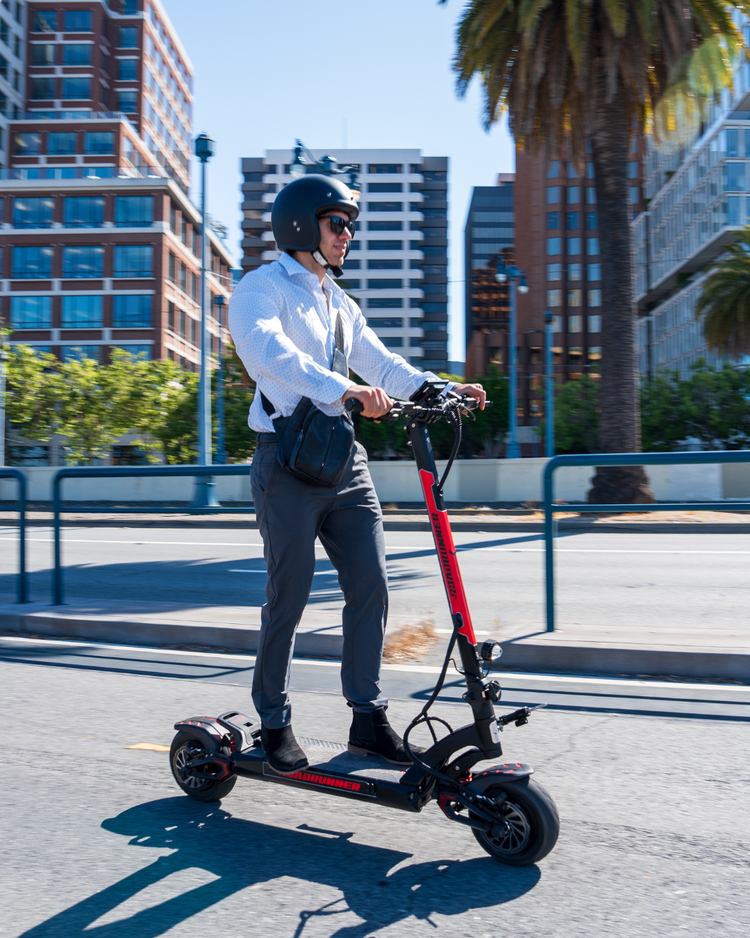
In conclusion, understanding the cost of charging an electric scooter involves multiple factors, including battery capacity, local electricity rates, charging habits, and even environmental considerations. By being mindful of these aspects, users can optimize their charging practices and enjoy the benefits of riding an electric scooter without breaking the bank. For more insights on electric scooter maintenance and selection, explore our resources at gbbemobility.com.
FAQ (AEO — People Also Ask)
Q: How much does it cost to charge an electric scooter?
A: The cost depends on battery capacity and local electricity rates, typically ranging from $0.10 to $1.00 per charge.
Q: Can charging habits affect costs?
A: Yes, charging during off-peak hours can lower costs significantly.