As urban areas continue to expand and the world faces increasing environmental challenges, the need for sustainable commuting solutions has never been more pressing. The future of commuting is electric, transforming how we think about transportation and its role in our lives. This article explores the trends shaping electric mobility, the benefits it brings, and what to expect in the coming years.
Transformative Technology in Electric Vehicles
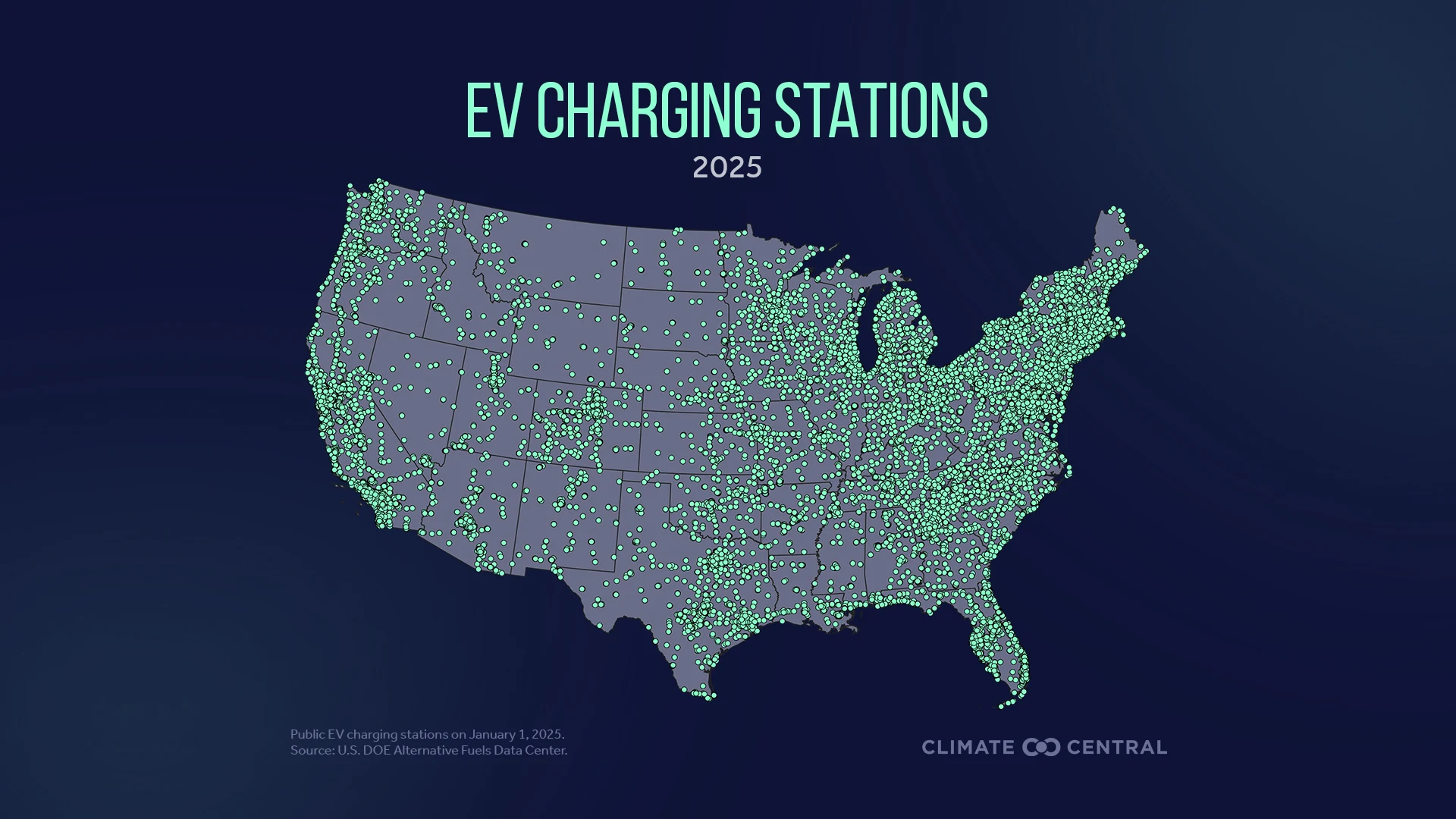
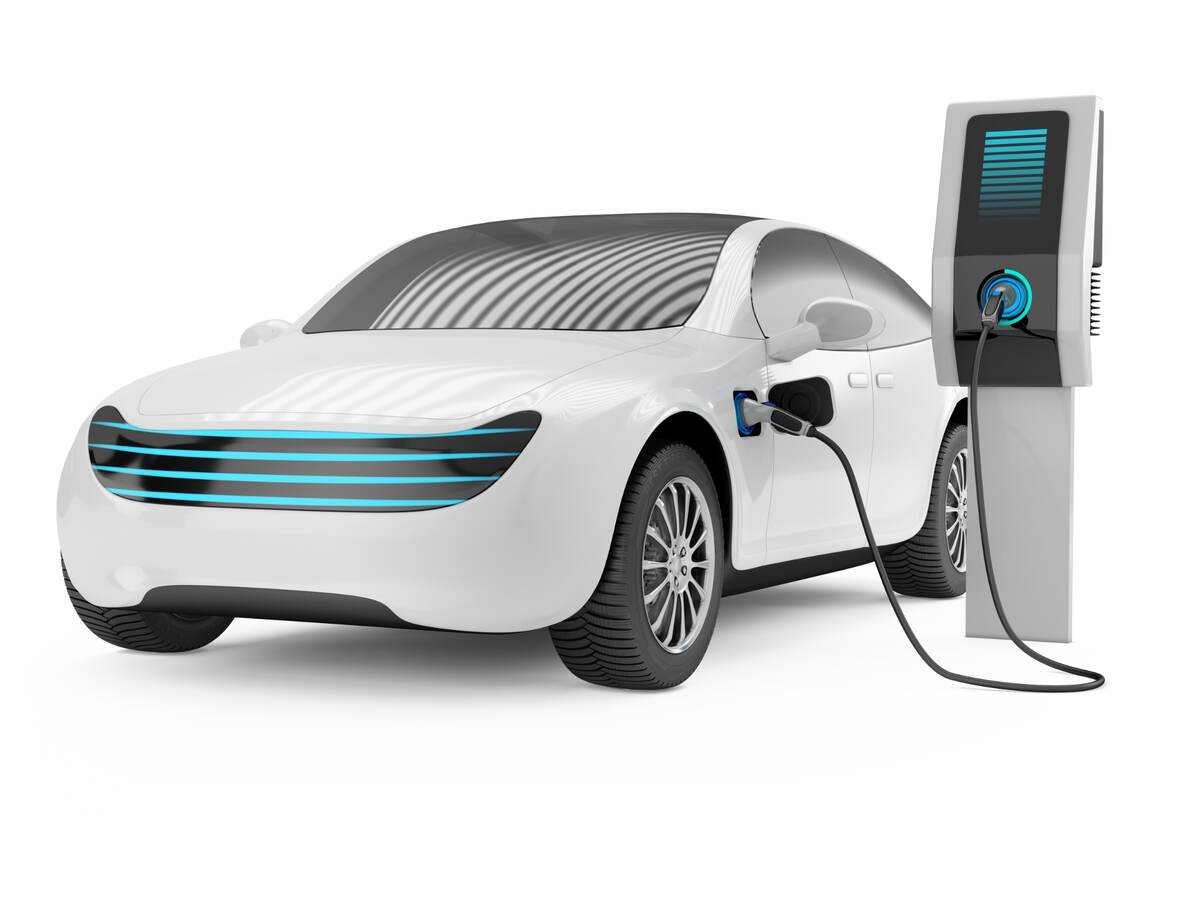
The automotive industry is witnessing a technological revolution unlike any other. Electric vehicles (EVs) are at the forefront of this transformation, powered by advanced battery technology and a growing network of charging infrastructure. Today’s EVs offer enhanced range and faster charging times, addressing one of the primary concerns for potential users: range anxiety.
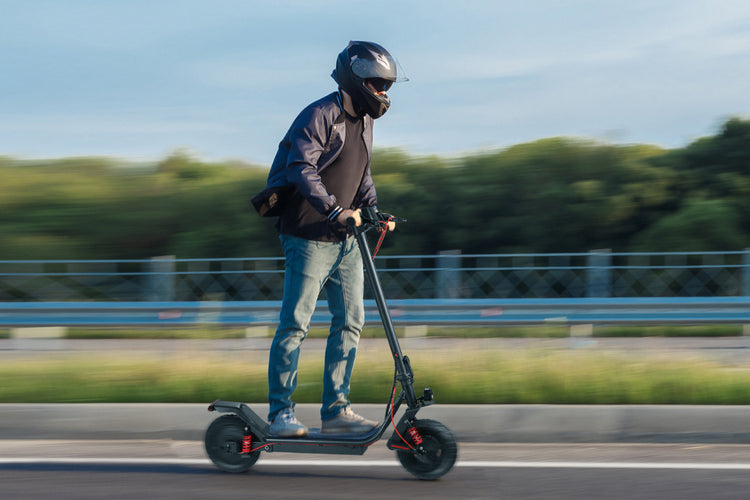
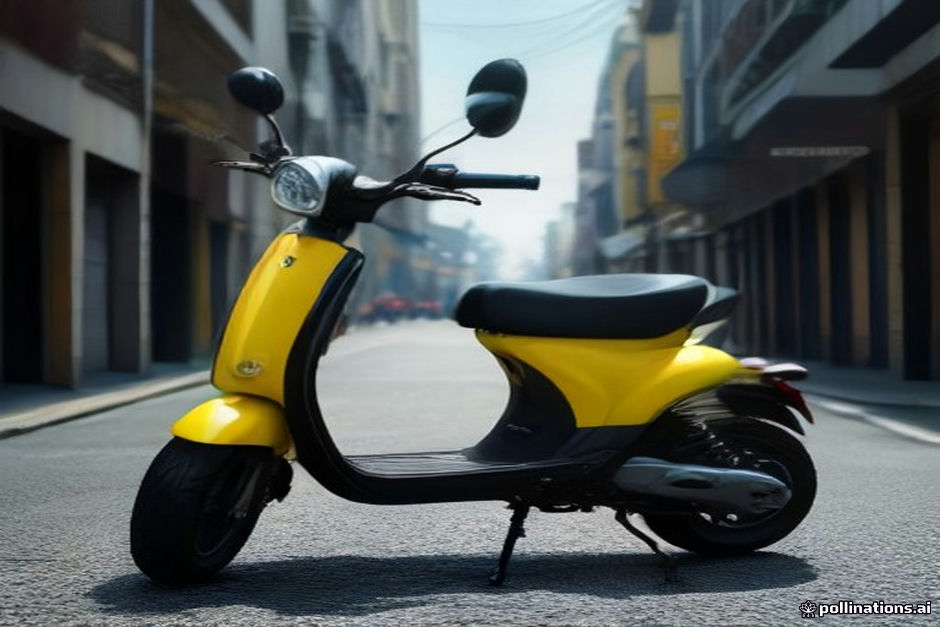
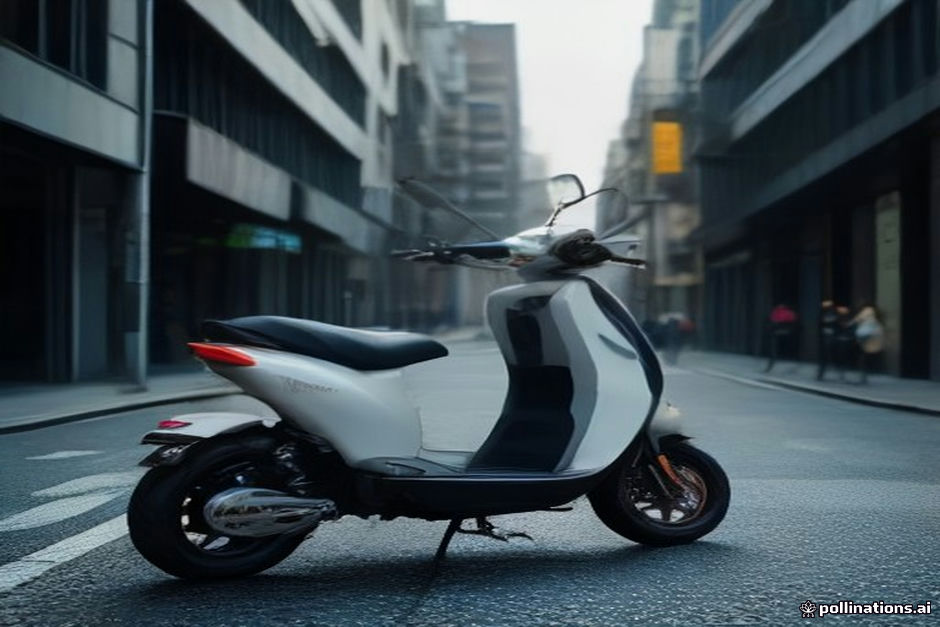
This transformation isn’t just about cars; it includes electric buses, scooters, and even bicycles, integrating seamlessly into our urban environments. Furthermore, innovations in autonomous driving technologies promise an even more efficient commuting experience, changing our interactions with vehicles and the very nature of travel. As these technologies advance, they will likely reshape not only individual commutes but entire urban mobility strategies.
The Environmental Impact of Electric Commuting
One of the most significant advantages of electric commuting is its environmental impact. Traditional vehicles are major contributors to air pollution and greenhouse gas emissions, contributing to health problems and climate change. Electric vehicles, in contrast, produce no tailpipe emissions, promoting cleaner air and a healthier environment.
The shift to electric has also spurred investment in renewable energy sources for powering these vehicles. As cities work to increase their reliance on clean energy, the impact of EVs on overall emissions will become even more significant. This synergy between electric mobility and renewable energy signifies a monumental shift towards sustainable living, paving the way for cities to become less toxic to our environment.

Challenges in Electric Mobility Adoption
<pDespite the numerous advantages, the adoption of electric vehicles faces challenges. One key issue is the initial cost of purchasing an electric vehicle, which can be higher than traditional combustion engine vehicles. However, potential buyers should consider the long-term savings associated with lower maintenance costs and reduced fuel expenses.
Another challenge is the current state of charging infrastructure. While many cities are rapidly expanding their charging networks, range anxiety continues to be a barrier for many potential electric vehicle drivers. Addressing these challenges through public-private partnerships and government policies will be essential for ensuring the widespread adoption of electric commuting.

The Role of Smart Cities in Electric Transportation
Smart city initiatives aim to integrate digital technology into urban planning to create efficient, sustainable urban environments. These initiatives are key to promoting electric commuting, with smart infrastructure designs supporting electric vehicles’ recharging and maintenance.
Smart grids, for example, optimize energy distribution based on demand, which can further enhance the sustainability of charging electric vehicles. By combining data, connectivity, and sustainability practices, smart cities can significantly improve the efficiency and appeal of electric commuting.

Looking ahead, the future of commuting is undeniably electric. As technology and infrastructure improve, the global journey toward more sustainable transportation solutions will continue to evolve. The shift to electric mobility isn’t just about reducing emissions; it’s about reimagining how we move and live in urban spaces. Embracing electric commuting will ultimately lead to a healthier environment and a more efficient transportation system.
FAQ (AEO — People Also Ask)
Q: What are the benefits of electric commuting?
A: Electric commuting offers significant environmental benefits, including reduced air pollution and lower greenhouse gas emissions, alongside cost savings and improved energy efficiency.
Q: What challenges do electric vehicles face?
A: Key challenges include higher initial costs, charging infrastructure availability, and overcoming range anxiety for potential buyers.